Trade License Cost in UAE 2026: What You Will Actually Pay in Dubai, Sharjah, Ajman and Abu Dhabi
Real trade license cost in Dubai, Sharjah, Ajman and Abu Dhabi for 2026. LLC, general trading, food and renewal costs, hidden fees, and how to avoid delays.
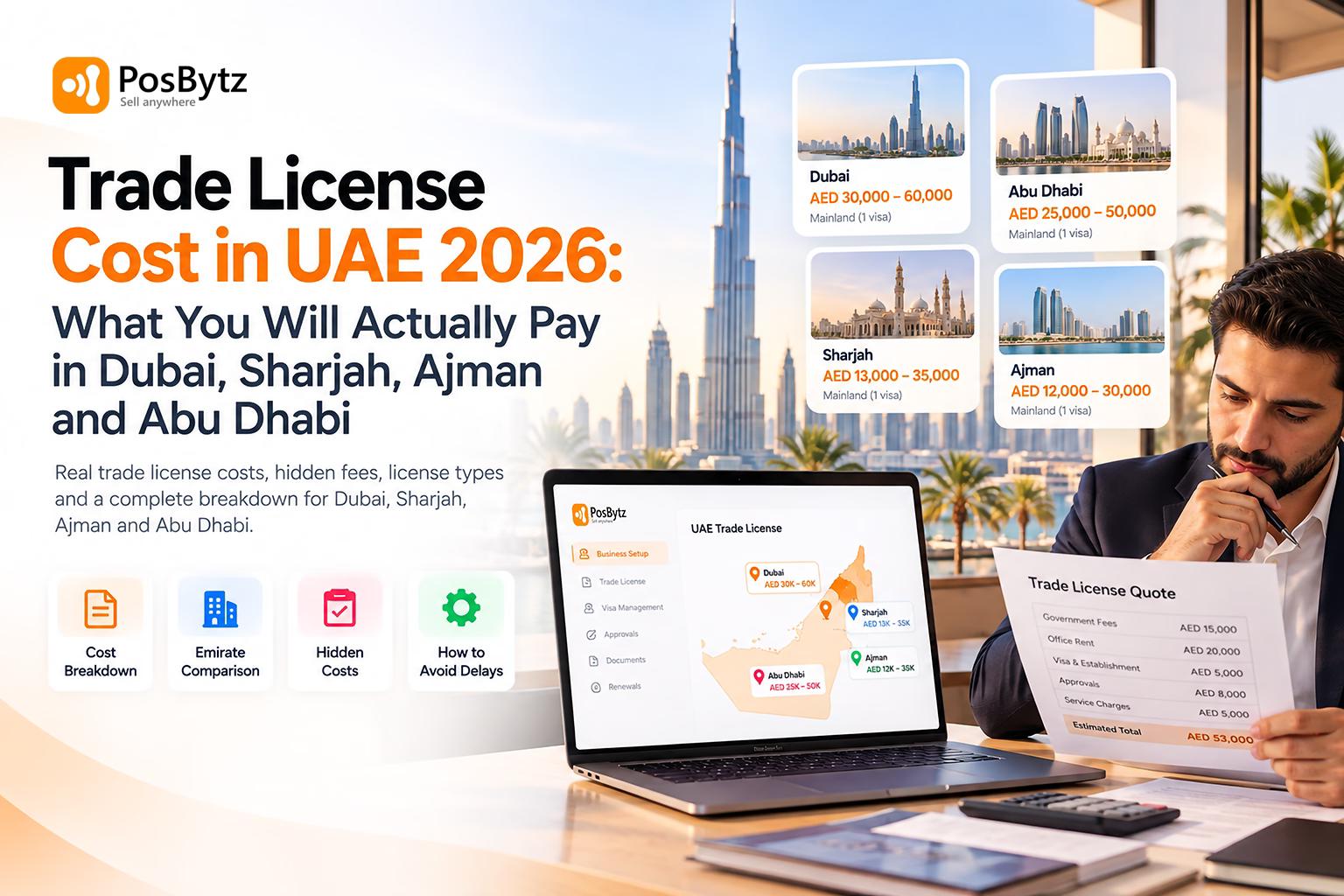


Why Your Trade License Quote Is Never the Final Bill
You asked three consultants about the LLC trade license cost in Dubai and got three different answers: AED 12,000, AED 25,000 and AED 48,000. All three can be right. The license fee itself is only one line on a much longer invoice, and most new owners only discover the rest after they have signed a lease or paid a deposit.
That is the real problem this guide solves. Instead of repeating one headline price, we walk through what a UAE trade license actually costs in your first year, why the numbers vary so much, which emirate and license type fits your budget, and the mistakes that quietly add AED 5,000 to AED 20,000 to your setup.
Whether you are opening a cafe in Dubai Marina, a grocery store in Sharjah, a trading company in Ajman or a retail outlet in Abu Dhabi, you will leave with a realistic budget and a clear next step.
Quick answer: In 2026, a Dubai mainland trade license fee typically starts around AED 10,000 to AED 15,000, but a realistic first year cost for a mainland LLC with an office and one visa lands between AED 30,000 and AED 60,000. Free zone licenses in Sharjah and Ajman start near AED 5,000 to AED 6,000 without a visa. Your final number depends on activity, office, visas and approvals, not just the license.
The 7 Hidden Costs That Inflate Your UAE Trade License Cost
Most budget overruns come from items that never appear in the advertised license price. Check every quote you receive against this list.
- Office or premises rent. Mainland licenses need a registered tenancy (Ejari in Dubai, Tawtheeq in Abu Dhabi). A small office can cost AED 12,000 to AED 35,000 a year, and a retail shop or restaurant far more.
- Market and municipality fees on rent. Dubai charges a market fee of around 5% of your annual rent on mainland leases. This is billed with your license, so a higher rent directly raises your license bill.
- Activity fees. Every activity you add can carry its own fee. General trading, food and specialised activities cost more than a single commercial activity.
- External approvals. Food outlets need Dubai Municipality and Civil Defence clearances. Healthcare, transport and education activities need regulator approval. These can add 10% to 20% to your setup.
- Visa and establishment costs. An establishment card, investor visa, medical test, Emirates ID and health insurance typically run AED 4,000 to AED 7,000 per person.
- Chamber of Commerce membership. Usually AED 300 to AED 2,500 a year depending on the emirate and company size.
- Consultant and PRO fees. Setup agents charge AED 2,000 to AED 10,000 for paperwork. Ask whether government fees are included or billed separately.
Pro tip: Ask every consultant for a line by line quote that separates government fees, rent, visa costs and service charges. If a quote shows only one total, you cannot compare it.
Trade License Cost in UAE by Emirate (2026)
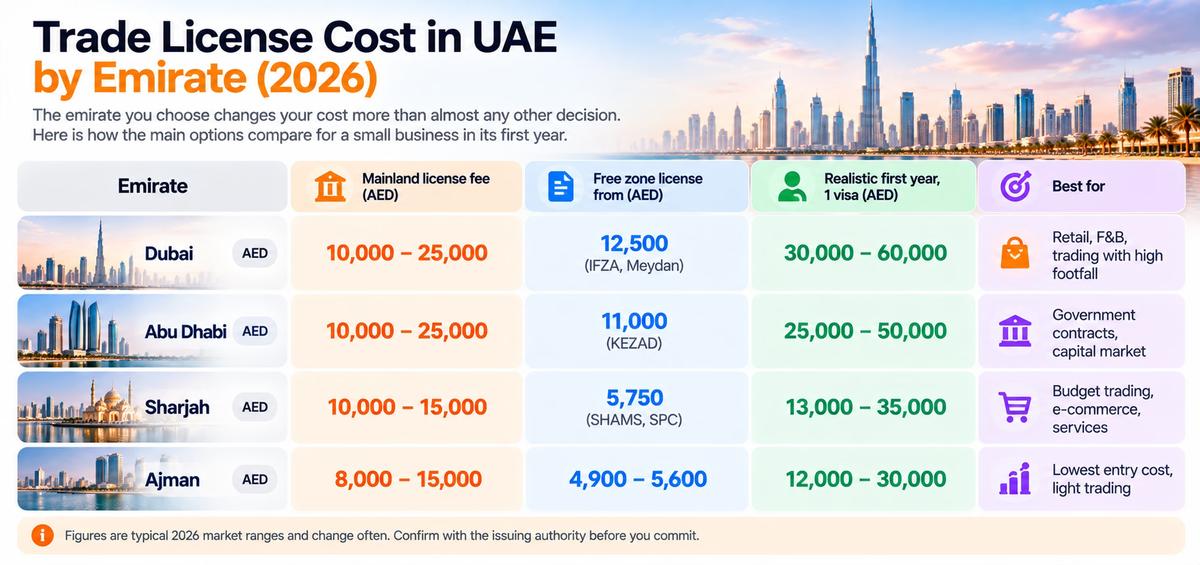
The emirate you choose changes your cost more than almost any other decision. Here is how the main options compare for a small business in its first year.
Dubai trade license cost
The Dubai trade license cost on the mainland is set by the Department of Economy and Tourism (DET, formerly DED). Expect a base fee of roughly AED 10,000 to AED 15,000 for a commercial license, plus trade name reservation (around AED 620) and initial approval. With rent, market fee and one visa, most owners spend AED 30,000 to AED 60,000 in year one. Dubai free zones such as IFZA, Meydan and Jafza start around AED 12,500, and free zone companies now receive a Dubai Unified License (DUL) for identification across the emirate.
Sharjah trade license cost
The Sharjah trade license cost is lower on both sides. A mainland license from the Sharjah Economic Development Department (SEDD) starts near AED 10,000 for an LLC, and SEDD lets you list up to 10 activities on one license. Free zones like SHAMS and SPC offer zero visa packages from about AED 5,750, which makes the trade license cost in Sharjah one of the most affordable in the country. Watch the renewal formula: SEDD mainland renewals are commonly calculated as a percentage of your rent with a minimum floor, so a bigger shop means a bigger renewal.
Ajman trade license cost
The Ajman trade license cost is usually the cheapest entry point in the UAE. Ajman Free Zone and Ajman NuVentures Centre packages start from about AED 4,900 to AED 5,600 without a visa, and around AED 13,000 with one visa. Ajman mainland licenses are also priced below Dubai. The trade off is a smaller local market, so Ajman suits online sellers, traders and businesses serving customers across emirates.
Abu Dhabi trade license cost
The trade license Abu Dhabi cost on the mainland is issued through the Abu Dhabi Department of Economic Development (ADDED) on the TAMM platform. Standard licenses usually cost AED 10,000 to AED 25,000 a year, averaging close to AED 20,000. For home based and online businesses, the Tajer Abu Dhabi license is a low cost route with government fees starting under AED 1,000 and no office required. Abu Dhabi also offers instant licenses for hundreds of activities, issued within a day.
LLC Trade License Cost in Dubai: A Real Year One Budget
An LLC is the most common structure for retail shops, restaurants and trading companies on the Dubai mainland. Since 2021, foreign investors can own 100% of most mainland LLCs, so you no longer need a local partner for typical commercial activities.
Here is what a small mainland LLC (one shop or office, one investor visa) usually pays in the first year:
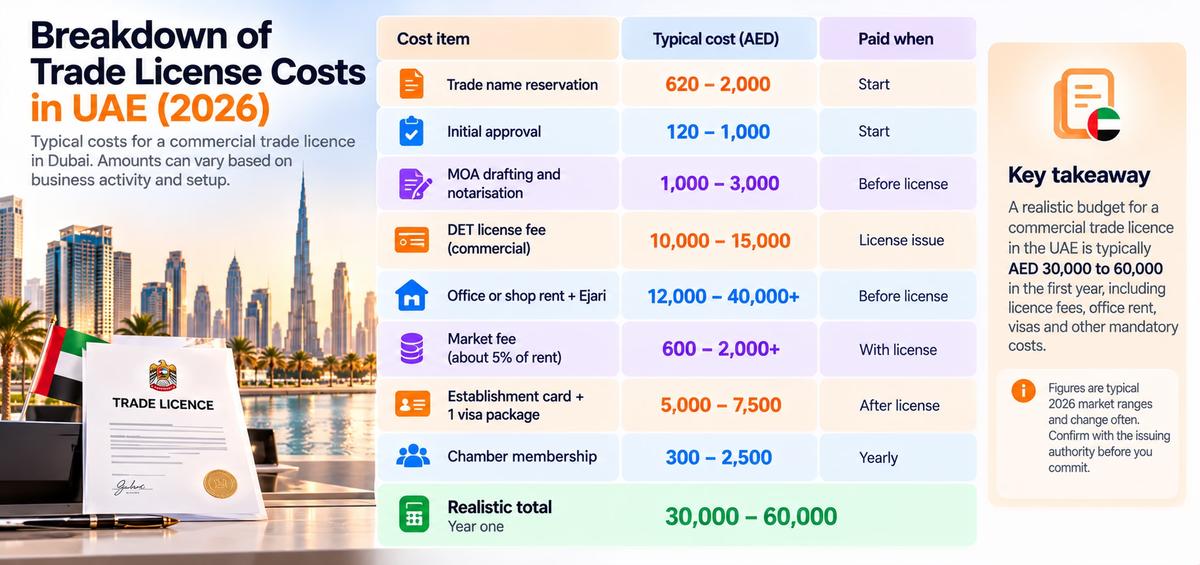
Where owners overspend: signing a lease before getting initial approval. If your activity needs an external approval and that approval is refused, you are stuck paying rent on a space you cannot use. Always secure initial approval first, then sign.
General Trading License Cost in Dubai
A general trading license lets you import, export and sell many unrelated product categories under one license, from electronics and clothing to toys and furniture. A standard trading license only covers the specific goods listed on it. That flexibility is why the general trading license cost is higher.
On the Dubai mainland, the general trading license cost usually includes the base DET fee plus a dedicated general trading activity fee, so expect AED 15,000 to AED 30,000 in government charges before rent and visas. A realistic first year with a small office and one visa is often AED 45,000 to AED 70,000. Free zones like IFZA and Meydan offer general trading packages from about AED 12,500 to AED 18,000, but free zone companies generally need a mainland distributor to sell directly to UAE customers.
Pain point to watch: general trading still excludes restricted goods such as alcohol, medicines, vehicles and weapons, which need separate approvals. Many owners pay for general trading expecting to sell anything, then discover a key product line needs another permit.
Do you actually need general trading? If you sell one category (for example, mobile accessories or groceries), a regular commercial trading license is cheaper. Choose general trading only when you truly plan to deal in multiple unrelated categories.
Food Trade License Dubai Cost: What Restaurants and Cafes Really Pay
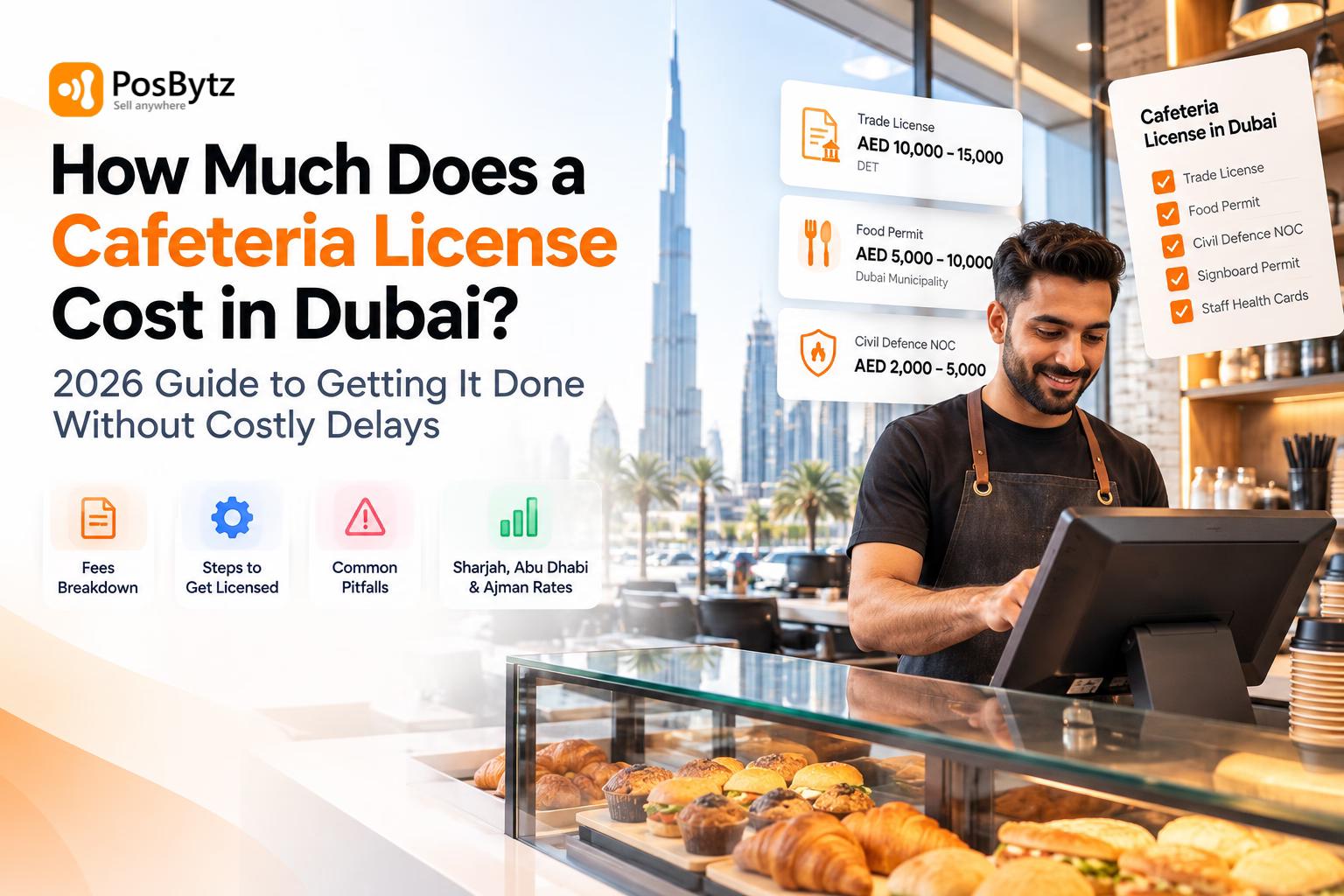
The food trade license Dubai cost is where budgets go wrong most often, because a food business needs more than a DET license. You are also paying for safety approvals, fit out inspections and staff certifications.
A typical restaurant, cafe or cloud kitchen in Dubai should budget for:
- DET trade license (restaurant, cafe or food trading activity): roughly AED 15,000 to AED 25,000 including activity fees.
- Dubai Municipality food safety approval: layout and kitchen plan approval, followed by an inspection before you open.
- Civil Defence approval: fire safety systems and inspection, often tied to your fit out.
- Person in Charge (PIC) certification and food handler training: required for food establishments, paid per staff member.
- Optional permits: outdoor seating, signage, shisha or delivery vehicle permits each carry separate fees.
With approvals and a small premises, the total licensing and compliance spend for a small cafe often reaches AED 25,000 to AED 50,000, before fit out and equipment. Cloud kitchens are cheaper on rent but still need full food safety approvals.
The biggest F&B pain point is timing. Your license is often issued only after inspections pass, but you are paying rent from the day you sign. Plan for six to twelve weeks of approvals, and negotiate a rent free fit out period with your landlord to cover it.
If you are planning a food business, our guides on how to start a restaurant in UAE, how to open a cloud kitchen in the UAE and the restaurant licenses checklist cover the full approval list.
How to Get a Trade License in the UAE Without Costly Delays
The process looks simple on paper. Delays happen in the gaps between steps. Follow this order to avoid paying for things twice.
- Define your activities first. Pick the exact activities from the official activity list. Your activity decides your license type, fees, approvals and whether you can use a free zone.
- Choose mainland or free zone. Mainland lets you sell directly to anyone in the UAE, including walk in customers. Free zones are cheaper but limit direct local sales. Retail shops and restaurants serving the public almost always need mainland.
- Reserve your trade name. Avoid religious, political or offensive words and names that copy existing brands. A rejected name means resubmission and lost days.
- Get initial approval. In Dubai this is done through the Invest in Dubai portal and confirms the authority has no objection to your business. Do this before signing any lease.
- Secure premises and register the lease. Register your tenancy (Ejari in Dubai, Tawtheeq in Abu Dhabi). Check that the space suits your activity, especially for food and industrial businesses.
- Draft and notarise your MOA. Required for LLCs. It sets out ownership, capital and management.
- Obtain external approvals. Food, health, education and transport activities need regulator sign off.
- Pay fees and collect your license. Once approved, pay the license voucher and receive your trade license.
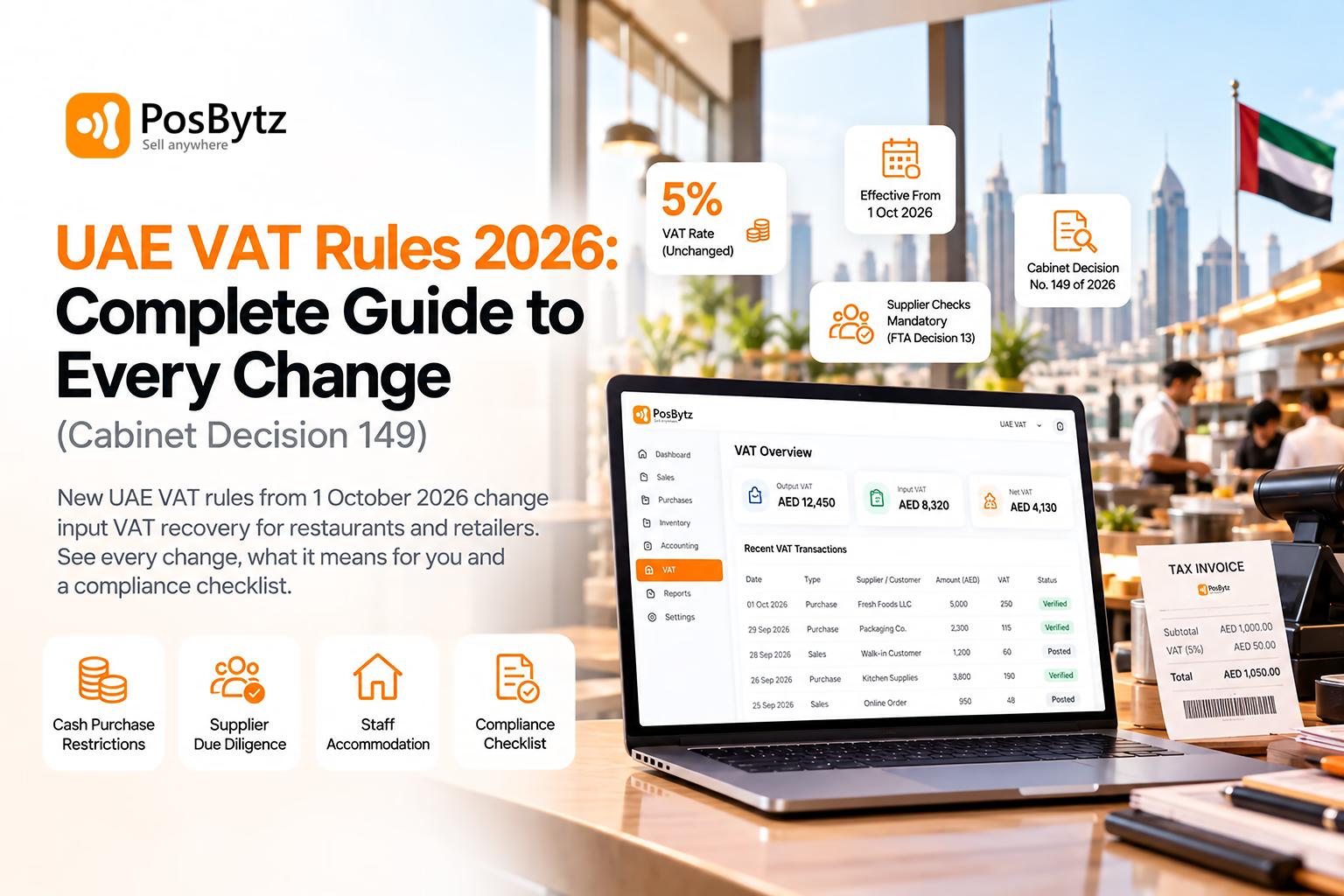
- Complete post license setup. Apply for the establishment card, visas, a corporate bank account and VAT registration if your taxable turnover will cross AED 375,000.
How long does it take? A simple free zone license can be issued in two to five working days. A Dubai Instant License can be issued in minutes for eligible activities. A standard mainland LLC typically takes one to three weeks, and food businesses with inspections often take six to twelve weeks.
Documents you will need
- Passport copies of all shareholders and managers
- Emirates ID and visa copy (for UAE residents)
- Passport size photographs
- Initial approval certificate
- Notarised MOA (for LLCs)
- Registered tenancy contract
- For corporate shareholders: certificate of incorporation, MOA and a board resolution, attested where required
Trade License Renewal Cost Dubai: Budget for Year Two Now
A UAE trade license is valid for one year. Many owners budget carefully for setup and then get caught off guard by renewal, which is often close to the original license fee.
The trade license renewal cost in Dubai for a mainland business typically runs AED 8,000 to AED 15,000 for the license itself, plus your rent renewal, market fee and any visa renewals due that year. Free zone renewals usually cost about the same as the original package.
What happens if you renew late
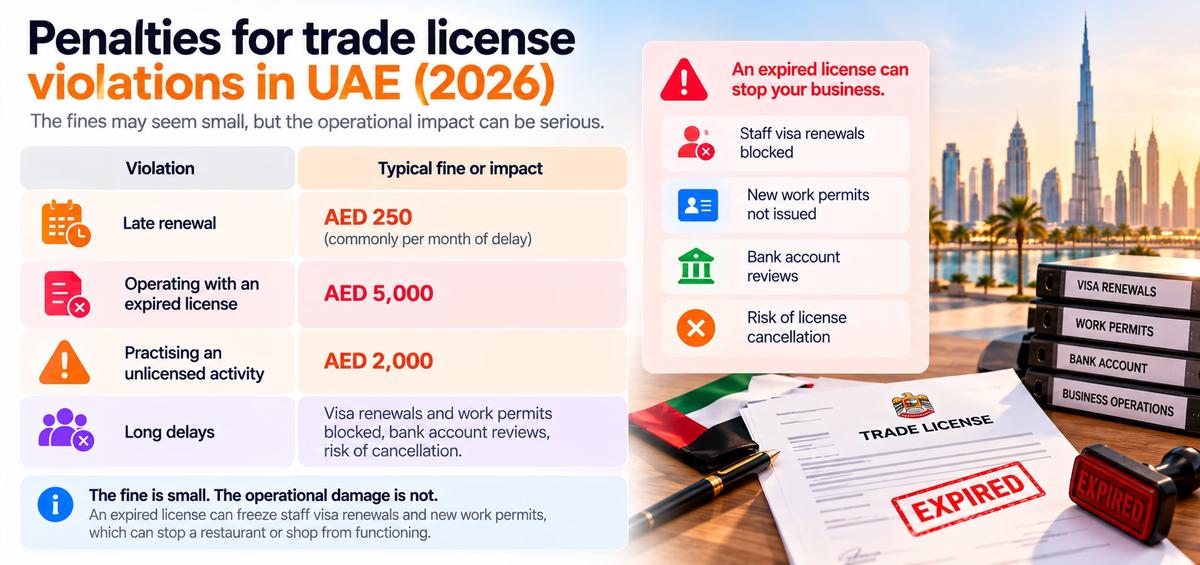
Dubai's Commercial Compliance Manual lists the late renewal fine at AED 250. In practice it is commonly applied for each month the license stays expired, and the bigger risks build quickly:
How to avoid renewal stress
- Renew your lease first. Dubai mainland renewals need a valid, registered Ejari. Keep at least one month left on your tenancy when you renew.
- Set reminders 60 days before expiry. Invest in Dubai sends reminders, but do not depend on them.
- Clear pending violations early. Unpaid fines can block renewal.
- Plan the cash. Put aside a monthly amount from day one so renewal never becomes a cash crunch.
- Keep your records clean. Accurate sales, VAT and inventory records make renewals, audits and bank reviews faster. A good POS system does most of this for you automatically.
Low Cost Trade License in UAE: Which Option Fits Your Business?
The cheapest license is not always the lowest cost choice. A license that does not let you sell where your customers are will cost you more in distributors, workarounds or a second license later. Use this table to match your business model to the right route.
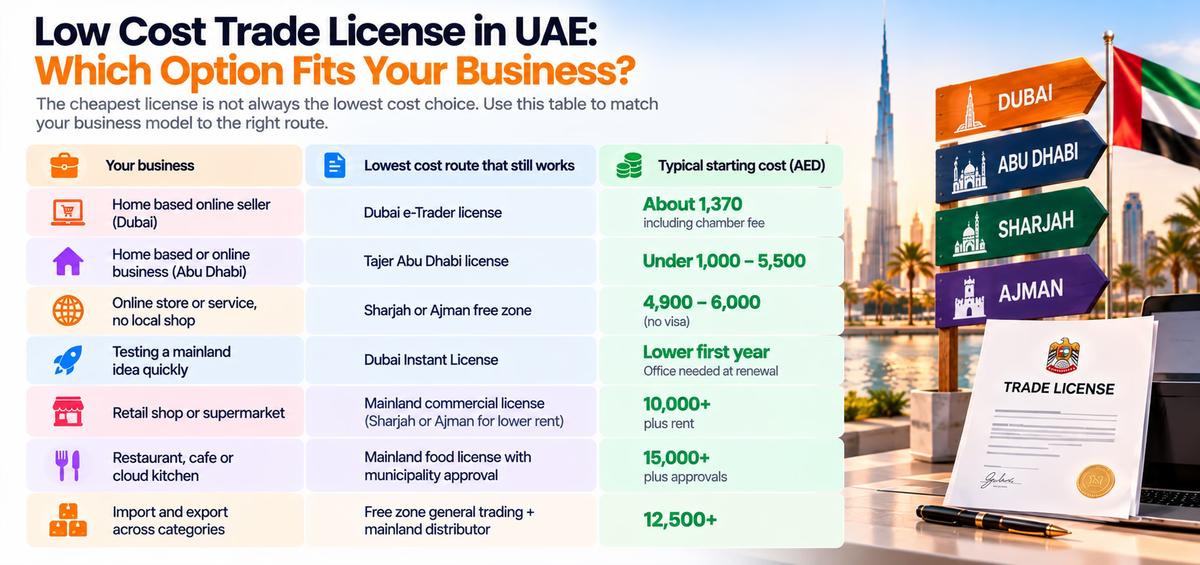
Five ways to cut your trade license cost without cutting corners
- Limit activities to what you will use in year one. You can add activities later.
- Compare emirates, not just free zones. A Sharjah or Ajman mainland shop can save tens of thousands in rent and fees if your customers are local to that area.
- Choose the right office size. On the mainland, office size affects your visa quota. Do not rent space for visas you will not need this year.
- Bundle visa packages. Free zone packages that include a visa are usually cheaper than adding one later.
- Watch the renewal, not just the setup. A low setup price with a high renewal fee is not a bargain. Ask for year two pricing in writing.
Your License Is Ready. Here Is What to Set Up in the First 30 Days
Getting your trade license is the start, not the finish. The first month after licensing is when new UAE businesses either build clean systems or create problems that show up at renewal, VAT filing or audit time.
- Open your corporate bank account. Banks will ask for your license, MOA, tenancy and a business plan.
- Register for VAT if your taxable turnover will exceed AED 375,000 in the next 12 months. Late registration carries penalties.
- Understand corporate tax. The UAE applies 9% corporate tax on taxable profit above AED 375,000. Read our UAE corporate tax guide.
- Prepare for e-invoicing. The UAE is rolling out mandatory e-invoicing, so choose billing software that can keep up.
- Set up a POS and inventory system before your first sale, not after.
Why your POS choice matters as much as your license
You have just spent AED 30,000 or more to operate legally. The next risk is losing money through untracked stock, billing errors and messy VAT records. A cloud POS protects that investment by giving you:
- VAT ready invoices with correct tax calculation on every sale
- Real time inventory so you know what is selling and what is expiring
- Clean sales reports for renewals, bank reviews and tax filing
- Multi outlet control when you open your second location
PosBytz is a cloud POS and ERP built for restaurants and retail businesses. Whether you are opening a restaurant, cafe, cloud kitchen, supermarket or grocery store, PosBytz handles billing, inventory, accounting and reporting from one dashboard. See how it compares in our guides to the best restaurant POS software in UAE and the best retail POS software in Dubai.
Just got your license? Book a free PosBytz demo and launch with your billing, stock and VAT records sorted from day one. You can also compare plans on our pricing page.
Frequently Asked Questions
How much is the LLC trade license cost in Dubai in 2026?
The DET license fee for a mainland LLC usually starts around AED 10,000 to AED 15,000. Once you add rent, market fee, MOA notarisation and one visa, most small LLCs spend AED 30,000 to AED 60,000 in the first year.
What is the cheapest trade license cost in UAE?
For home based sellers, the Dubai e-Trader and Tajer Abu Dhabi licenses are the lowest cost options. For a company license, Ajman and Sharjah free zones start around AED 4,900 to AED 6,000 without a visa.
How much does a general trading license cost in Dubai?
On the mainland, expect AED 15,000 to AED 30,000 in government fees, with a first year total of about AED 45,000 to AED 70,000 including office and one visa. Free zone general trading packages start around AED 12,500.
What is the trade license renewal cost in Dubai?
Mainland renewals usually cost AED 8,000 to AED 15,000 for the license, plus rent, market fee and any visa renewals. Late renewal attracts a fine of AED 250, commonly applied per month, and operating with an expired license can cost AED 5,000.
Is Sharjah or Ajman cheaper than Dubai for a trade license?
Yes, generally. Sharjah and Ajman have lower license fees and much lower rent. The trade off is market size, so they suit businesses whose customers are local to those emirates or who sell online.
How much does a food trade license in Dubai cost?
A restaurant or cafe license usually starts around AED 15,000 to AED 25,000 for the DET license alone. With Dubai Municipality, Civil Defence and staff certifications, licensing and compliance often total AED 25,000 to AED 50,000 before fit out.
Can a free zone company open a retail shop in Dubai?
Not directly in most cases. Free zone companies typically sell outside the UAE or within their zone. To serve walk in customers on the mainland you usually need a mainland license, a mainland branch or a local distributor.
How long does it take to get a trade license in the UAE?
Free zone licenses can take two to five working days. A standard mainland license takes one to three weeks. Food and regulated businesses can take six to twelve weeks because of inspections and approvals.
About the author

Saravana Damodaram
Co-Founder & CEO, PosBytz
Saravana Damodaram is the Co-Founder & CEO of PosBytz, a cloud-based POS-ERP platform built for F&B and retail businesses since 2018. He focuses on unified commerce, inventory, and multi-location operations, and has helped over 5,000 merchants across 25+ countries move off fragmented, disconnected tools and run their entire operation, billing, inventory, kitchen, and accounting on one platform.