Best ERP for Restaurants: Features, Benefits & How to Choose in 2026
Compare the best ERP for restaurants to automate billing, inventory, and accounting. See must-have features, benefits, and how PosBytz stacks up.
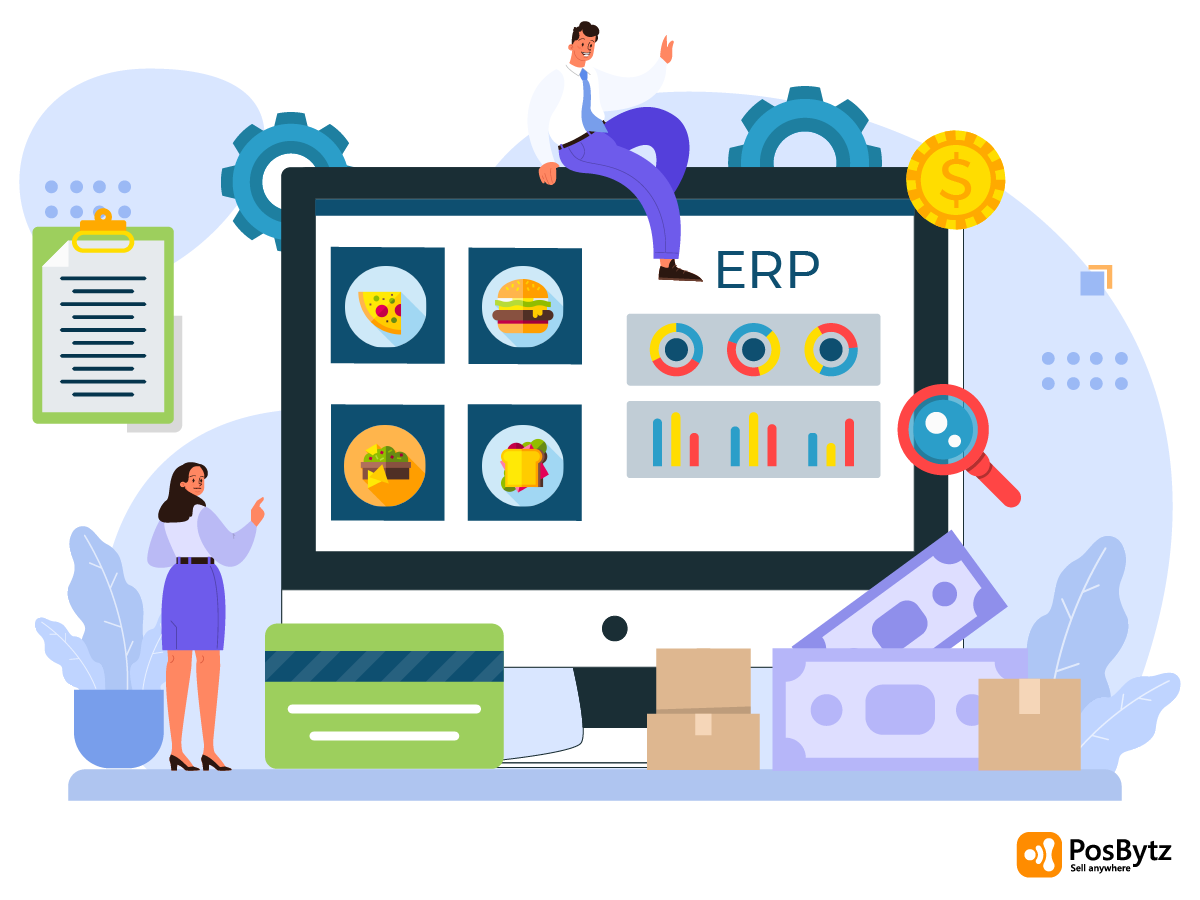


Are you facing issues with managing your restaurant’s operations, from inventory management to customer service? Many restaurants struggle with manual processes, leading to inefficiencies and decreased productivity. This is where an ERP system comes in. In this blog, we’ll explore the best ERP for restaurants, highlighting its features and benefits, and how it can revolutionize your business.
ERP systems have become increasingly popular in various industries, including restaurants. By integrating all aspects of a business into one platform, the best restaurant ERP helps streamline operations, improve communication, and enhance customer experience. However, with so many options available, choosing the best ERP software for restaurant needs can be overwhelming.
What Is an ERP for Restaurants?
An ERP for restaurants is software that brings billing, inventory, accounting, staff, and customer data into one platform instead of scattering them across separate tools. Restaurant ERP systems handle industry-specific needs such as recipe-level inventory deduction, multi-channel order management, and food costing, on top of standard back-office functions like accounting and reporting.
The best restaurant ERP helps you streamline operations, improve communication between the kitchen and front of house, and enhance the customer experience. With many options on the market, choosing the best ERP software for restaurant needs can feel overwhelming, so it helps to know exactly what to evaluate before you commit to a system.
Key Features to Look for in the Best ERP for Restaurants
A restaurant-ready ERP should cover these core areas:
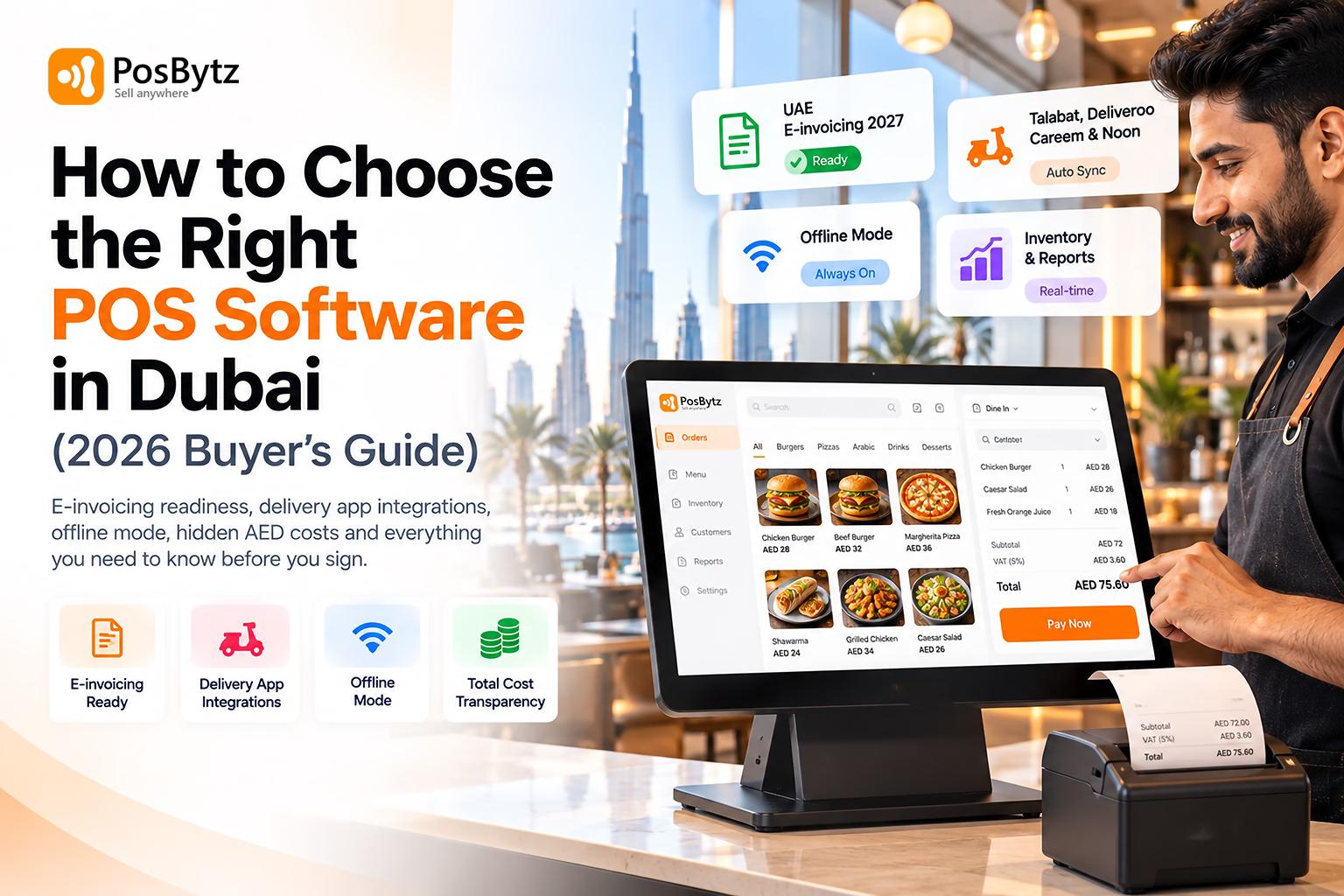
- Point of Sale (POS): Cloud-based billing that works across dine-in, takeaway, delivery, and online orders from a single screen, with offline support so sales continue even if the internet drops.
- Inventory Management: Real-time tracking of ingredients and recipes at the ingredient level, with low-stock alerts and automatic deduction as orders are placed, to reduce waste and control food costing.
- Sales Orders and Reporting: Unified reports across every channel, including dine-in, takeaway, and online orders, so you can see performance in one place instead of switching between systems.
- Delivery Aggregator Integration: Order sync from placement to delivery across platforms such as Zomato, Swiggy, Uber Eats, Deliveroo, and Talabat, so menus, pricing, and order status stay consistent everywhere.
- Menu and Recipe Planning: Tools to optimize offerings using sales data, track recipe costs, and cut ingredient waste.
- Customer Management (CRM): Feedback collection, loyalty programs, and personalized outreach to build repeat business.
- Accounting and Finance: A unified view of cash flow, P&L, balance sheets, and unit-level metrics without exporting data between separate tools.
Benefits of the Best Restaurant ERP
- Improved Efficiency: Streamlines operations, enabling staff to focus on customer service.
- Enhanced Experience: Deliver personalized service through automated feedback loops via WhatsApp, email, and SMS.
- Increased Profitability: Use data-driven decisions to optimize menu prices and reduce food waste.
- Centralized Multi-Outlet Control: A single dashboard for inventory, reporting, and menu management across every location, rather than managing each outlet in isolation.
How to Choose the Best ERP Software for Your Restaurant
Since restaurants vary widely in size and complexity, the right ERP depends on a few practical factors:
- Business size and number of locations. A single cafe has different needs than a multi-outlet chain or a multi-brand cloud kitchen, so check that the system supports the outlet count you plan to grow into, not just the one you have today.
- Deployment model. Cloud-based ERP software is typically faster to set up and update than on-premise systems, and it lets you check reports from anywhere, including from a phone.
- Depth of restaurant-specific features. General-purpose ERPs often need heavy customization to handle recipe costing, KOT printing, or delivery aggregator sync, while restaurant-built platforms include these out of the box.
- Integration needs. Confirm the ERP connects natively with your POS, payment terminals, printers, and the delivery platforms you already use, so you are not stitching together separate add-ons.
- Ease of implementation. Ask how long setup typically takes and whether your team can manage day-to-day configuration, such as menu updates, without ongoing help from an external consultant.
Comparing ERP Software for Restaurant Needs
1. PosBytz Restaurant ERP
A comprehensive system specifically built for F&B businesses. It integrates Restaurant POS, inventory, accounting, and HR & Payroll into one integrated platform.
2. SAP ERP
A powerful corporate choice, though it often requires external implementation firms to adapt it specifically for restaurant workflows.
3. Microsoft Dynamics 365
Scalable and cloud-based, but requires heavy integration to become “restaurant-friendly” for daily POS operations.
Conclusion
The best ERP for restaurants is one that streamlines operations, improves the customer experience, and supports profitability as you grow. PosBytz is built as the best restaurant ERP for businesses of every size, combining POS, inventory, accounting, and delivery management in a single, restaurant-specific platform.
CTA: Ready to run your restaurant on one connected platform? Start Your Free Trial or Book a Live Demo to see PosBytz in action.
Automate Your Restaurant Today
Experience the best ERP software for restaurant growth. Connect your POS, inventory, and accounts in one unified cloud platform.
Start Your Free Trial Book a Live Demo
FAQ
What are the key features of the best ERP for restaurants?
Essential features include POS, real-time inventory tracking, recipe and menu planning, accounting, delivery aggregator integration, and detailed reporting across every sales channel.
Can a restaurant ERP be implemented for cafes or cloud kitchens?
Yes. PosBytz offers specialized Cafe billing and Cloud kitchen software that function as full ERPs for these niche formats.
What's the difference between a restaurant POS and a restaurant ERP?
A POS handles billing and order-taking at the counter or table. A restaurant ERP includes the POS but also connects inventory, accounting, CRM, and delivery management, giving you one system for both daily operations and back-office reporting.
Does a restaurant ERP support multi-location or multi-brand operations?
Yes, a restaurant ERP designed for scale should provide centralized inventory, separate menus and pricing per brand or outlet, and consolidated reporting so you can compare performance across locations from a single dashboard.
Can restaurant ERP software integrate with delivery aggregators like Zomato and Swiggy?
Yes. A restaurant ERP with aggregator integration syncs menus, pricing, and order status automatically across platforms such as Zomato, Swiggy, Uber Eats, Talabat, and Deliveroo, so you can manage all orders from one dashboard instead of switching between apps.
Related Resources
- CRM for Engagement: Why every restaurant needs CRM for enhanced customer engagement.
- Restaurant ERP Overview: Running restaurant operations on one connected ERP system.
- Inventory Software Guide: Mastering inventory across multiple outlets for higher margins.
- Modernizing Kitchens: How integrations are streamlining orders in 2026.
- SaaS POS Benefits: Enhance your operations with cloud-based point-of-sale tech.
About the author

The PosBytz Marketing Team
Editorial Team, PosBytz
The PosBytz Marketing Team shares practical insights on running smarter restaurants and retail stores from POS best practices to inventory management, online ordering, and customer loyalty strategies.