How Much Does a Cafeteria License Cost in Dubai? (2026 Guide to Getting It Done Without Costly Delays)
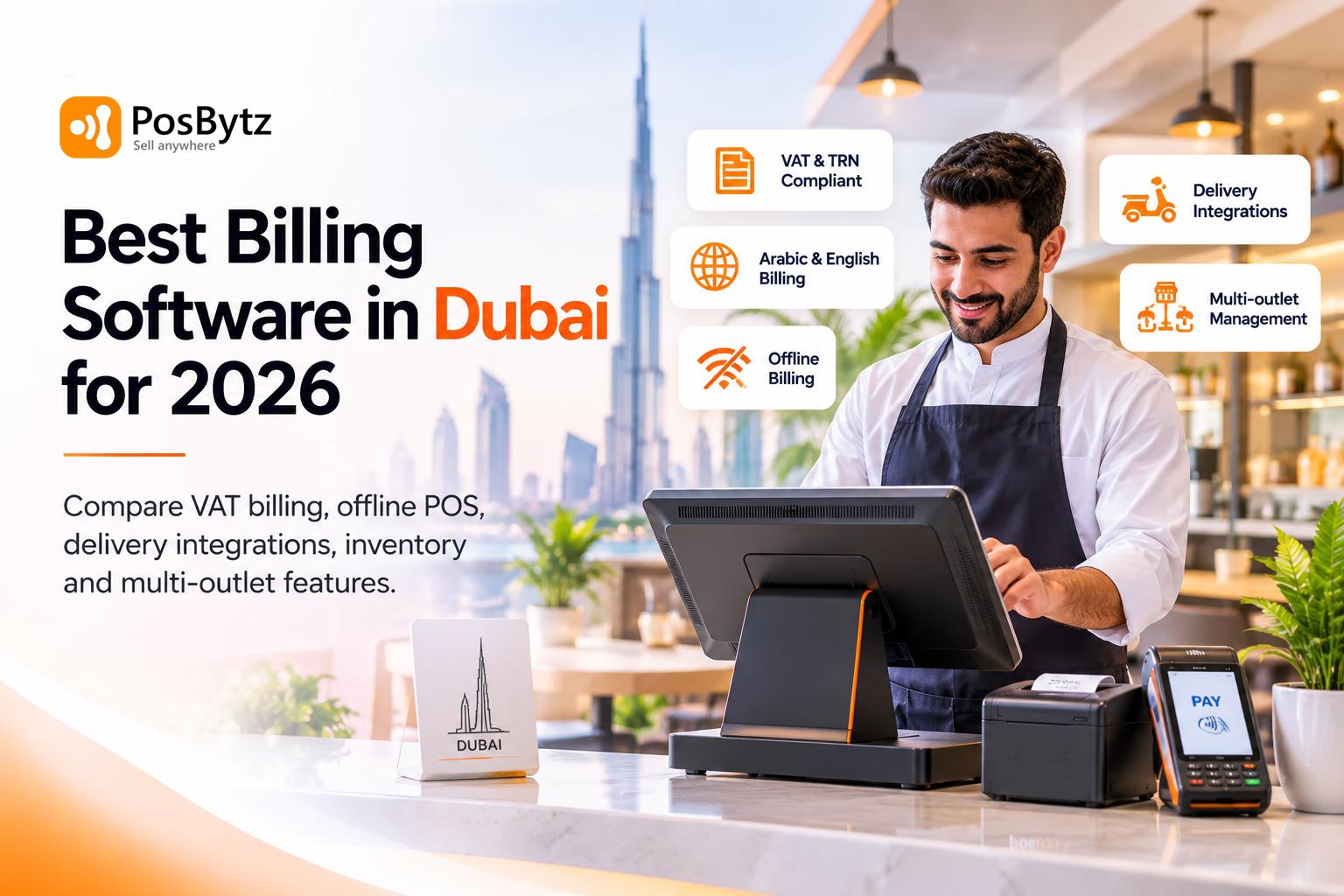
A Dubai cafeteria license costs AED 25K to 45K in fees, but opening takes AED 120K+. Real costs, steps, delay traps, plus Sharjah, Abu Dhabi and Ajman rates.


You have the concept. Maybe it is karak and parathas near a metro station, a specialty coffee counter in a community mall, or a shawarma and juice spot in Karama. Then you start researching the cafeteria license cost in Dubai and every website gives you a different number. One says AED 12,900. Another says AED 44,000. A third says you need half a million dirhams.
They are all partly right, because they are measuring different things. This guide separates those numbers clearly, then focuses on what actually decides your budget and your opening date: the order you do things in, the approvals that trip up first-time owners, and the mistakes that quietly add AED 20,000 to AED 50,000 to a small cafeteria.
Quick answer:
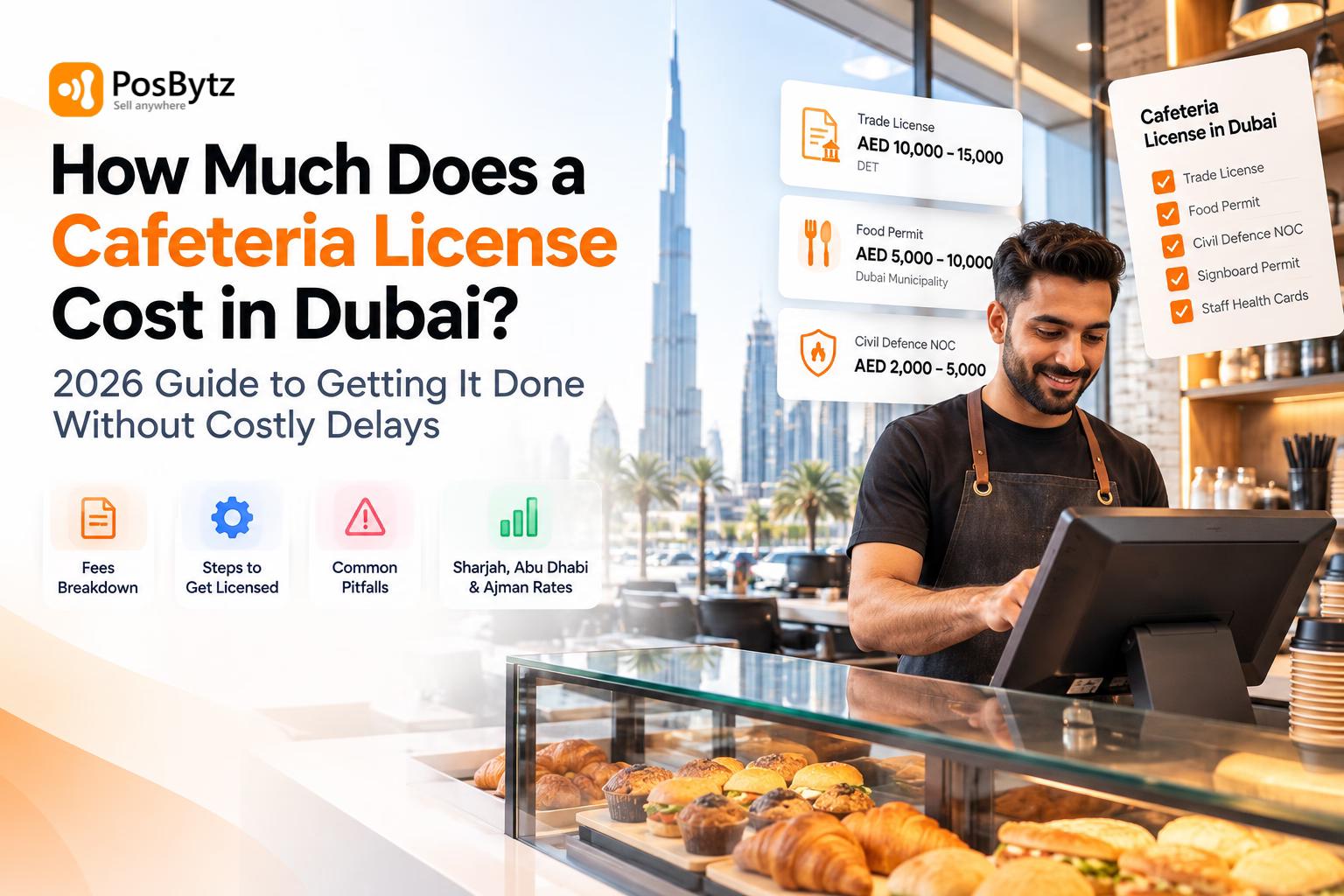
A cafeteria license in Dubai costs about AED 25,000 to AED 45,000 in government and approval fees in the first year. That covers the DET trade license, Dubai Municipality food permit, Civil Defence NOC, signboard permit and staff health requirements. The total cost to open a small cafeteria (500 to 1,000 sq ft) is usually AED 120,000 to AED 280,000 once rent, fit-out, equipment and visas are added. Expect 6 to 10 weeks from trade name to first sale if approvals go cleanly.
If you are comparing emirates, the government fees are generally lower in Sharjah and Ajman, and similar in Abu Dhabi. The full comparison is further down.
Why Every Website Quotes a Different Cafeteria License Cost
There are really three numbers, and most guides only show one of them.
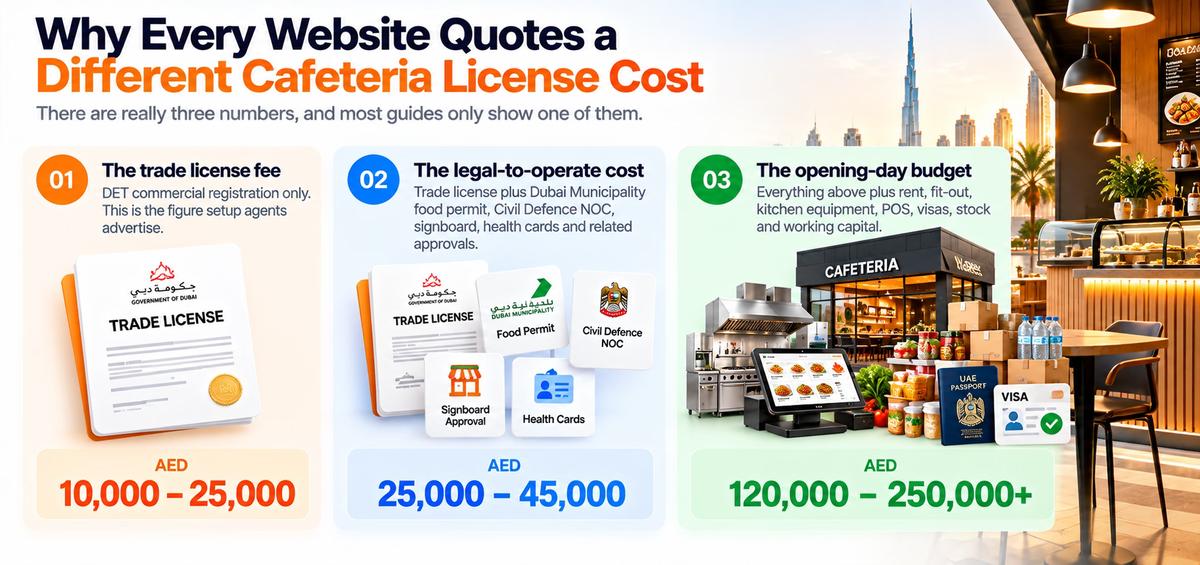
When you get a quote, ask one question: "Which of these three numbers is this?" It will save you from the most common budgeting shock in Dubai F&B.
How Much Cost for Cafeteria License in Dubai? The Full 2026 Breakdown
Here is what a small mainland cafeteria in Dubai typically pays to become legally allowed to sell food. Figures are 2026 estimates compiled from DET fee schedules, Dubai Municipality requirements and current setup-agent quotes. Always confirm the final amount on your DET payment voucher.
Government and approval fees (first year)

Annual renewal: budget roughly AED 20,000 to 35,000 per year for the trade license, food permit, market fee, Civil Defence renewal and health card renewals.
What it really costs to open: a worked example
This is a realistic budget for a 25-seat, counter-service cafeteria in a non-premium Dubai area such as Al Qusais, Deira or International City, built from a bare shell unit.

Notice that licensing is less than 20% of the budget. The lease, the fit-out and the kitchen are where a cafeteria budget is won or lost, and that is exactly where the mistakes below happen.
Where you can save legitimately: taking over an already fitted food unit (with a kitchen that already passed Dubai Municipality inspection) can bring the total close to AED 80,000 to 120,000. More on the risks of that route later.
9 Mistakes That Delay Your Cafeteria License (and How Much Each One Costs)
Most cafeteria owners in Dubai do not overspend on the license. They overspend on fixing things that should have been checked before money was committed. These are the problems that come up again and again.
1. Signing the lease before confirming the unit can be a food outlet
The pain: You pay 12 months of rent and a deposit, then discover the unit has no exhaust route to the roof, no space for a grease trap, or sits in a building where the landlord or zoning does not allow cooking.
The fix: Before you sign, get written confirmation of three things: the unit is permitted for F&B activity, there is a viable exhaust and fresh air path, and drainage can take a grease trap. Ask for a conditional lease or a short rent-free fit-out period tied to DET initial approval.
Typical cost if missed: a lost deposit of AED 10,000 to 30,000, or a relocation that restarts the whole approval cycle.
2. Choosing the wrong business activity
The pain: DET treats cafeteria, coffee shop and restaurant as different activities with different permitted menus and approval depth. Apply as a cafeteria but run a sit-down espresso bar with table service, or a full cooking line, and you will face an amendment, re-inspection or a failed food permit.
The fix: Write down your exact menu, service style (counter or table) and seating count, then match it against the DET activity list before reserving the trade name. If you plan delivery, shisha or outdoor seating, say so at the start.
Typical cost if missed: AED 300 to 1,000 per amendment, plus 2 to 4 weeks of delay.
3. Starting fit-out before Dubai Municipality approves the kitchen layout
The pain: Your contractor is ready, you are paying rent, so works begin. Then the layout review asks for a separate handwash sink, a different dishwashing zone or a moved partition. Dubai Municipality does not approve fit-outs after the fact.
The fix: Submit layout drawings showing cooking, prep, storage, washing, handwash stations, ventilation and waste flow. Only start construction after written approval.
Typical cost if missed: AED 10,000 to 25,000 in rework and 3 or more weeks lost.
4. Under-specifying fire safety
The pain: Civil Defence will not sign off a cooking line without a certified fire suppression system in the hood, correct extinguishers, emergency lighting and exit signage. Owners who budget a basic extractor fan get stuck at the final step.
The fix: Include the suppression hood in the fit-out quote from day one and use a Civil Defence approved contractor.
Typical cost if missed: AED 8,000 to 15,000 in retrofit plus a delayed opening.
5. Forgetting the mall or developer NOC
The pain: In malls and managed communities, the developer has its own fit-out rules, drawing approvals and NOC. DET may not accept the tenancy without it.
The fix: Request the developer fit-out manual on day one and run its approval in parallel with Dubai Municipality.
Typical cost if missed: 1 to 3 weeks of extra rent with no revenue.
6. Buying domestic equipment
The pain: Home-grade fridges and ovens cannot hold safe temperatures in UAE summer peaks and often fail inspection. They also break under commercial volume.
The fix: Buy certified commercial equipment with temperature displays, and keep the spec sheets for the inspector.
7. Staff not ready on inspection day
The pain: The kitchen is perfect, but staff do not have food handler health cards, there is no PIC-certified person on shift, or there is no pest control contract. The inspector issues a remedial list.
The fix: Book medicals and PIC training at least 3 weeks before your target inspection date, and sign an annual pest control contract before fit-out ends.
8. Adding delivery, shisha or outdoor seating later without a permit
The pain: Going live on Talabat, Deliveroo or Careem without the delivery activity on your license can lead to a compliance notice and listings being paused. Shisha and outdoor seating need their own permits.
The fix: Add the activities you will use in year one at application stage. It is cheaper than amending later.
9. Forgetting what happens after the license
The pain: Owners celebrate the license, then miss VAT registration, corporate tax registration or renewal dates, and face penalties that wipe out a month of profit.
The fix: Set up your billing and records correctly from day one. See the compliance section below.
How to Get a Cafeteria License in Dubai: Step by Step (in the Right Order)
The single biggest time saver is running two tracks in parallel: the DET trade license track and the Dubai Municipality food safety track. Owners who do them one after the other usually take 3 to 4 months. Owners who overlap them can open in about 6 to 10 weeks.
- Lock your concept (before Day 1). Fix the menu, service style, seat count and whether you need delivery, shisha or outdoor seating. This decides your activity, kitchen size and approvals.
- Choose mainland or free zone (Day 1). For a walk-in cafeteria serving the public, choose the Dubai mainland. Free zone food licenses mostly suit staff canteens inside a zone or delivery-only kitchens. A 100% foreign-owned LLC is allowed on the mainland for this activity.
- Reserve the trade name and get initial approval (Days 1 to 5). Apply through DET (online or via a business service centre). Avoid restricted words and keep the name consistent with food service.
- Shortlist units and check them for F&B suitability (Days 3 to 15). Confirm exhaust, drainage, grease trap space, gas or electric cooking, landlord consent and, in malls, the developer fit-out rules. Do not sign yet.
- Sign the lease and register Ejari (Days 10 to 20). Negotiate a rent-free fit-out period of 1 to 2 months where possible.
- Submit kitchen layout drawings to Dubai Municipality (Days 10 to 25). Run this alongside the lease and license steps. This is the overlap that saves weeks.
- Notarise the MOA and collect the DET trade license (Days 15 to 25). Pay the license fee and market fee, then apply for the establishment card so you can start staff visas.
- Build the fit-out after layout approval (Days 25 to 45). Install the fire suppression hood, handwash stations, grease trap and commercial equipment exactly as approved.
- Civil Defence inspection and NOC (Days 40 to 50). Fire suppression, extinguishers, emergency lights and exits are checked here.
- Prepare staff and paperwork (Days 30 to 50). Food handler health cards, PIC certificate per shift, pest control contract, food safety plan and supplier records.
- Dubai Municipality pre-opening inspection and food permit (Days 45 to 60). Pass the inspection, receive the food establishment permit and install your approved signboard.
- Soft launch (around Days 55 to 70). Open with a reduced menu for a week to test the kitchen flow, POS and staff before the full launch.
Documents checklist
- Passport and visa or Emirates ID copies of all owners and the manager
- Trade name reservation and initial approval certificates
- Notarised MOA (for an LLC)
- Signed tenancy contract and Ejari certificate
- Developer or landlord NOC (malls and managed buildings)
- Kitchen layout drawings showing cooking, prep, storage, washing, handwash, ventilation and waste areas
- Equipment list with specifications
- Fire suppression and Civil Defence documents
- Food handler health cards and PIC certificate
- Pest control contract and food safety (HACCP-based) plan
For a wider view of every F&B permit in the UAE, see our restaurant licenses checklist and our guide on how to start a restaurant business in Dubai. If you are going delivery-only, read how to open a cloud kitchen in the UAE instead.
Cafeteria License Cost in Sharjah, Abu Dhabi and Ajman Compared
If Dubai rents stretch your budget, the other emirates can cut your opening cost by 30% to 50%. The trade-off is usually footfall and tourist spend. Here is how the four compare for a small cafeteria in 2026.

Government fee ranges include the trade license, name reservation, initial approval, food permit, Civil Defence and signage. Totals include rent, fit-out, equipment and visas for a 500 to 1,000 sq ft unit. Ranges vary by activity, seat count and location, so confirm with the relevant authority before you budget.
Cafeteria license cost in Sharjah
A cafeteria license in Sharjah typically costs AED 8,000 to 18,000 for the SEDD trade license (including trade name, initial approval and MOA), plus around AED 1,500 to 5,000 for the Sharjah Municipality food permit and a separate Civil Defence approval. That puts first-year government fees at roughly AED 12,000 to 28,000.
What owners struggle with in Sharjah:
- Area rules: some residential and heritage areas restrict F&B activity or cooking. Check permitted activity for the exact plot before signing.
- Inspection before trading: you cannot open until Sharjah Municipality inspects the kitchen and issues the food permit, even if the trade license is already issued.
- Lower rent, lower ticket size: rents are often 30% to 50% below comparable Dubai areas, but average spend per customer is also lower. Price your menu for the neighbourhood, not for Dubai.
Cafeteria license cost in Abu Dhabi
In Abu Dhabi, expect roughly AED 15,000 to 35,000 in first-year government and approval fees. The commercial license is issued by ADDED through the TAMM platform, and food safety approval comes from ADAFSA, which reviews your layout and inspects before opening.
What owners struggle with in Abu Dhabi:
- ADAFSA layout changes: grease trap sizing, handwash stations and storage separation are the most common redesign requests. Get a consultant who has passed ADAFSA reviews before.
- Civil Defence upgrades: exhaust and fire suppression requirements are a frequent source of budget creep.
- Two different markets: Abu Dhabi island, Mussafah, Khalifa City and Al Ain have very different rents and customer profiles. Al Ain in particular can be far cheaper to set up.
Cafeteria license cost in Ajman
Ajman is usually the most affordable place in the UAE to open a cafeteria. The Ajman DED trade license typically costs AED 7,000 to 15,000, and first-year government fees including the municipality food permit usually land between AED 10,000 and 22,000.
What owners struggle with in Ajman:
- Footfall risk: low rent only pays off if the location has steady traffic. Units near residential towers, schools, industrial areas and the Sharjah border tend to perform best.
- Seat-based fees: some food-related fees scale with seating capacity, so plan your seat count before applying.
- Market reach: an Ajman mainland license lets you trade in Ajman. To open a second branch in Dubai or Sharjah, you need a branch license in that emirate.
Which emirate should you choose?
- Choose Dubai if your concept depends on tourists, office crowds, malls or premium pricing, and your budget is above AED 150,000.
- Choose Abu Dhabi if you are targeting government and corporate office zones or Al Ain, and want a stable resident customer base.
- Choose Sharjah if you want a family and residential market with lower rent, and your menu is priced for value.
- Choose Ajman if your budget is under AED 120,000 and you want to test a concept before expanding to Dubai or Sharjah.
Hidden and Recurring Costs Most Cafeteria Owners Miss
The license gets you open. These costs decide whether you stay open.
After You Get the License: Compliance That Protects Your Profit
This is where most cafeteria guides stop, and where many owners lose money in their first year.
VAT registration
You must register for VAT once your taxable sales exceed AED 375,000 in the past 12 months, or are expected to exceed it in the next 30 days. Voluntary registration is possible from AED 187,500. A busy cafeteria selling AED 1,100 a day crosses AED 375,000 in under a year, so plan for it from the start. Once registered, displayed menu prices must include VAT and every sale needs a compliant tax invoice or simplified invoice.
Corporate tax registration
Every UAE company, including a small cafeteria LLC, must register for corporate tax with the Federal Tax Authority. The rate is 0% on taxable income up to AED 375,000 and 9% above that. Small Business Relief may apply if revenue is under AED 3 million, but you still need to register and file. Read our guide on UAE corporate tax for restaurants for details.
UAE e-invoicing (if you sell to businesses)
The UAE is rolling out mandatory e-invoicing in phases. Businesses with revenue below AED 50 million must appoint an Accredited Service Provider by 31 March 2027 and go live on 1 July 2027. Walk-in customer sales (B2C) are outside the first scope, but if your cafeteria supplies offices, schools or does corporate catering, those B2B invoices will need to follow the new system.
Inspection-ready records
Dubai Municipality and other food authorities can ask for temperature logs, supplier invoices, cleaning schedules and staff health cards at any visit. Keeping these organised is not just about passing inspections. It is the same data that shows you where you are wasting stock.
Where a cafe POS system fits in
Once the license is on the wall, your daily margin is decided by speed at the counter, control over stock and clean records. A cloud POS built for cafes helps with exactly the problems above:
- VAT-ready billing: tax invoices, VAT-inclusive pricing and reports your accountant can file from.
- Inventory and recipe costing: track milk, beans, bread and meat against sales so you spot waste and theft early. See our guide to restaurant inventory management.
- Delivery in one screen: take Talabat and other aggregator orders directly into the POS instead of juggling tablets. Learn how to integrate your POS with Talabat.
- Fast counter service: quick-service screens, KOT printing and QR menus to cut queue time at peak hours.
- Multi-outlet ready: when your second branch opens in another emirate, all sales and stock sit in one dashboard.
PosBytz cafe billing software is built for UAE cafeterias and coffee shops. You can also compare options in our list of the best restaurant POS software in the UAE or check how much a restaurant POS system costs.
Should You Buy an Existing Cafeteria Instead?
Searches for "cafeteria license for sale in Dubai" are common, because taking over a running outlet looks like a shortcut. It can be, but you are buying a business, not just a license.
Before you agree a price, check:
- Transfer reality: the DET license changes owner through an amendment, but the food permit and Civil Defence NOC are usually re-verified. An old kitchen can fail a fresh inspection.
- Lease assignment: confirm in writing that the landlord will transfer the Ejari and how many years remain on the lease.
- Hidden liabilities: unpaid municipality fines, DEWA arrears, staff end-of-service gratuity and supplier debts can stay with the company. Get written clearances before any payment.
- Real sales: ask for 12 months of POS reports and bank statements, not a handwritten sales book. Owner claims without system data are a red flag.
- Equipment age: a 7-year-old chiller and coffee machine will need replacing soon. Price that into your offer.
Your Cafeteria Budget and Readiness Checklist
Use this before you sign anything.
- My concept (menu, service style, seats) matches the activity I am applying for
- I know which of the three numbers each quote refers to (license only, legal-to-operate, or opening-day budget)
- The unit is confirmed for F&B, with exhaust, drainage and grease trap space
- My lease includes a rent-free fit-out period or a condition linked to approvals
- Kitchen layout drawings are approved before any construction starts
- Fire suppression hood is in the fit-out quote
- Mall or developer NOC is in progress (if applicable)
- Delivery, shisha or outdoor seating activities are included now, not later
- Staff medicals, health cards and PIC training are booked 3 weeks before inspection
- I have at least 1 month (ideally 3) of running costs as working capital
- My POS and billing are VAT-ready, with inventory tracking from day one
- Renewal dates for license, food permit, health cards and visas are in my calendar
A simple decision rule
If your total budget is under AED 120,000, look at Ajman, Sharjah or a fitted takeover unit. If it is AED 120,000 to 250,000, a non-premium Dubai or Abu Dhabi location works for a small cafeteria. If it is above AED 250,000, you can consider premium Dubai locations, larger seating or a restaurant license instead.
Frequently Asked Questions
How much does a cafeteria license cost in Dubai?
A cafeteria license in Dubai costs about AED 25,000 to 45,000 in first-year government and approval fees, including the DET trade license (AED 10,000 to 15,000), Dubai Municipality food permit, Civil Defence NOC and signboard permit. The total cost to open a small cafeteria is usually AED 120,000 to 280,000.
What is the cheapest way to get a cafeteria license in Dubai?
Keep the activity simple (counter service, no shisha), choose a non-premium area, take over a unit that already passed a food inspection, and get the kitchen layout approved before any fit-out. These steps cut more cost than shopping around for a cheaper license package.
How long does it take to get a cafeteria license in Dubai?
The DET trade license itself can be issued in 1 to 3 weeks. The full process to first sale, including Dubai Municipality layout approval, fit-out, Civil Defence and inspection, usually takes 6 to 10 weeks for a small cafeteria when steps run in parallel.
Can a foreigner own 100% of a cafeteria in Dubai?
Yes. Since 2021, foreign investors can own 100% of a mainland LLC for food service activities such as a cafeteria. A local sponsor is generally not required for this structure.
What is the cafeteria license cost in Sharjah?
The SEDD trade license for a cafeteria in Sharjah usually costs AED 8,000 to 18,000, and first-year government fees including the Sharjah Municipality food permit and Civil Defence approval are typically AED 12,000 to 28,000.
What is the cafeteria license cost in Abu Dhabi?
In Abu Dhabi, first-year government and approval fees for a cafeteria are typically AED 15,000 to 35,000. The license is issued by ADDED through TAMM, and ADAFSA handles food safety approval and inspection.
What is the cafeteria license cost in Ajman?
An Ajman DED trade license for a cafeteria usually costs AED 7,000 to 15,000, with first-year government fees including the municipality food permit typically between AED 10,000 and 22,000. Ajman is generally the lowest-cost emirate to open a cafeteria.
What is the difference between a cafeteria and a restaurant license?
A cafeteria license covers counter or self-service food and drinks with a simpler kitchen, while a restaurant license covers table service and a full cooking line. Restaurants face heavier fire safety, layout and seating requirements and usually cost AED 200,000 to 500,000 or more to open.
How much is the cafeteria license renewal fee in Dubai?
Budget roughly AED 20,000 to 35,000 a year to renew the trade license, food permit, market fee, Civil Defence approval and staff health cards. The market fee rises with your rent.
Do I need a separate permit for delivery, shisha or outdoor seating?
Yes. Delivery needs the relevant activity on your license before you list on aggregator apps, shisha needs its own Dubai Municipality permit, and outdoor seating needs a separate approval. Add them at the application stage to avoid amendment fees.
Is a cafeteria business profitable in Dubai?
It can be, but only with tight control of rent, food cost and labour. Many small cafeterias aim to break even in 12 to 18 months. Track food cost, waste and peak-hour sales from day one using a proper POS system rather than manual records.
Final Word: Get the Order Right, and the Cost Takes Care of Itself
The cafeteria license cost in Dubai is not the hard part. The fees are fairly predictable. What makes a cafeteria go over budget is signing the wrong unit, building before approval, or forgetting a permit that pauses your opening. Follow the sequence in this guide, budget using the three numbers, and keep 1 to 3 months of working capital in reserve.
Once you are licensed, the next challenge is running a fast, profitable counter from day one. PosBytz cafe billing software gives UAE cafeterias VAT-ready billing, inventory control and aggregator integration in one cloud system. See pricing or book a free demo.
Disclaimer: Fees in this article are 2026 estimates for guidance only. Government fees change and vary by activity, location and business structure. Confirm the final amounts with DET, ADDED, SEDD, Ajman DED and the relevant municipality before making financial commitments.
About the author

Saravana Damodaram
Co-Founder & CEO, PosBytz
Saravana Damodaram is the Co-Founder & CEO of PosBytz, a cloud-based POS-ERP platform built for F&B and retail businesses since 2018. He focuses on unified commerce, inventory, and multi-location operations, and has helped over 5,000 merchants across 25+ countries move off fragmented, disconnected tools and run their entire operation, billing, inventory, kitchen, and accounting on one platform.