Best Online Sales Platforms to Sell Your Products in 2026
Compare the best online sales platforms and marketplaces for 2026, from Amazon and Etsy to PosBytz's zero-commission online sales platform, and find the right fit for your business.
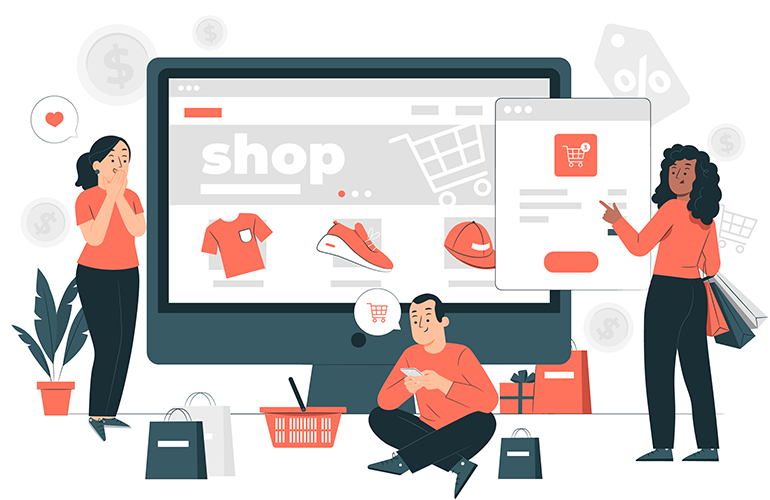


Online shopping is no longer a trend businesses can opt out of. It is simply how most customers discover and buy products today, whether they are ordering from a global brand or a home-based seller two streets away. For a business owner, that shift raises one practical question: which online sales platform should you actually use?
Some sellers run niche businesses, such as sugar-free desserts or handmade jewellery. Others sell generic categories like clothing, groceries, or furniture at scale. Both need a platform that fits how they sell, not a one-size-fits-all fix.
This guide walks through the best platforms to sell online in 2026, including global marketplaces, local selling sites, social commerce, and the option to build your own branded online store. Along the way, we will look at what each platform is best for, what it costs, and how to decide which one deserves your time and inventory.
What Is an Online Sales Platform?
An online sales platform is any website, app, or marketplace that lets a business list products, accept payments, and fulfil orders online. It generally falls into one of two categories:
- Your own online store, built on a platform like PosBytz, Shopify, or WooCommerce, where you control the branding, pricing, and customer data.
- A shared marketplace, such as Amazon, Etsy, or Flipkart, where you list products alongside other sellers and the marketplace brings the traffic.
Most growing businesses eventually use a mix of both, a branded store for direct relationships and one or two marketplaces for reach.
How to Choose the Best Online Sales Platform for Your Business
Before comparing individual platforms, it helps to be clear on what you actually need. Two questions matter most:
- What is the objective and size of your business?
- What budget can you realistically commit to reach your goals?
Beyond that, weigh each option against the following:
- Commission and fees. Marketplaces typically charge a referral or transaction fee per sale, often anywhere from 5 to 15 percent depending on the category. A branded online sales platform with no per-order commission can be cheaper at scale, even if you pay a flat subscription fee.
- Control over branding and customer data. Marketplaces own the customer relationship. Your own store lets you build a direct customer database, run repeat marketing, and personalise the experience.
- Ease of setup. Some platforms let you start selling within minutes with ready-made templates. Others need more technical setup.
- Payment and fulfilment support. Check whether the platform includes secure checkout, multiple payment options, and delivery or shipping integrations out of the box.
- Where your customers already are. A platform is only useful if your target audience actually shops there.
Building Your Store: Choosing The Best Platforms to Sell Online
Building your own online store used to sound daunting, but with the right online sales platform, it is one of the most profitable paths available. You keep control of your marketing, your pricing, and your brand instead of handing a cut of every order to a third party.
PosBytz Online Sales Platform
PosBytz lets you set up an online store quickly, without paying commission on every order. It comes with:
- Customizable templates to design your storefront and match your brand
- Built-in inventory management so stock updates automatically across online, in-store, and delivery orders
- Support for website, app, and social ordering from a single dashboard
- A free online store option to launch without upfront cost
Launch your store with PosBytz in three steps:
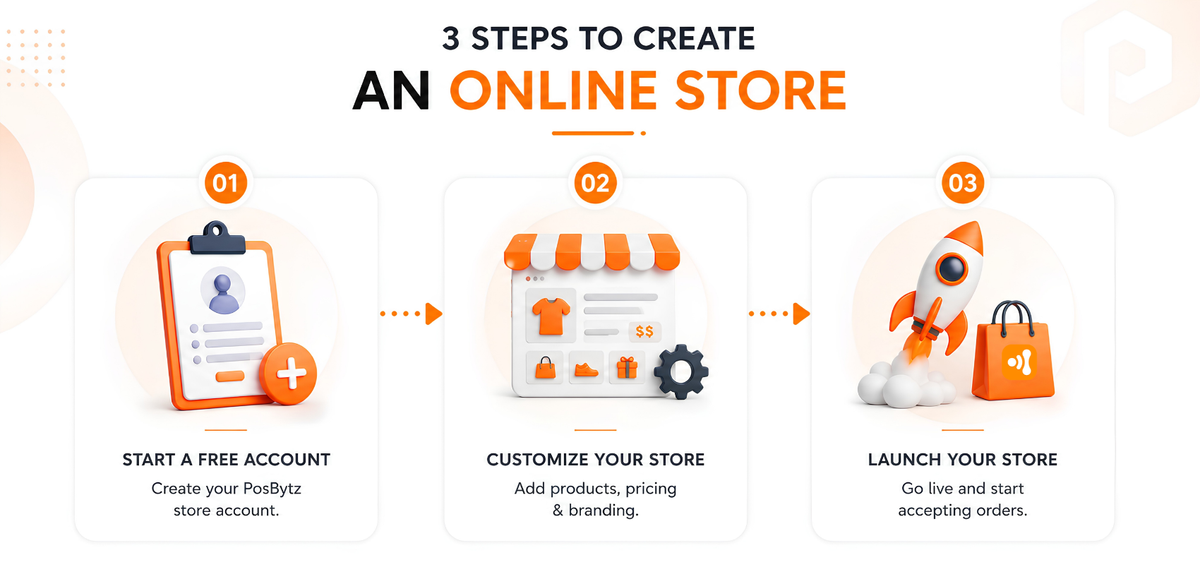
- Start a free account with PosBytz.
- Add and customize the products you want to sell.
- Launch your store and start accepting orders.
If you are still deciding how to make your first sale after launch, this guide on getting your first ecommerce sales with PosBytz's online sales platform walks through practical next steps.
Other Online Store Builders
Platforms such as Shopify, WooCommerce, and BigCommerce are also common choices, especially if you are already tied to a specific ecosystem. Each has a learning curve and its own fee structure, so it is worth comparing options before committing. If you currently use Shopify and are exploring lower-fee or better-integrated alternatives, this roundup of Shopify alternatives for ecommerce stores in 2026 is a useful starting point. WooCommerce sellers can also connect their store directly to in-person billing through WooCommerce POS integration.
Best Global Marketplaces to Sell Products Online
Amazon
Amazon is still the most recognizable ecommerce brand in the world, holding close to 38 percent of US online retail sales, according to recent Statista data. That scale comes from a relentless focus on customer experience, strict screening of fake listings and reviews, and Amazon Prime's fast, reliable delivery, which has kept customer loyalty high for over a decade.
As a small business owner, how much you get out of Amazon depends heavily on your plan, category, and pricing strategy. It remains one of the best options for reaching a genuinely global audience, but referral fees and fulfilment costs need to be factored into your margins from day one.
AliExpress
AliExpress is a popular online platform that sells different products at competitive prices compared to other eCommerce platforms like Amazon. The store was founded in 2010 and has become one of the largest retail platforms in the world.
AliExpress charges commission fees for each product sale depending on the product category. So, it may not be feasible in the long run for your business.
Taobao
This is a Chinese online shopping platform that is B2C oriented. Sellers can list the products and services at a fixed price and include reviews or ratings to help their potential customers assess the products before purchasing. This allowed small business owners to sell their products quickly to their customers.
Flipkart
Flipkart is an Indian eCommerce website headquartered in Bangalore, has grown exponentially in recent years. It is a direct competitor to Amazon and sells products online ranging from fashion, home essentials, and groceries. According to Statista, Flipkart reported revenue of approximately 346 billion rupees in 2020.
As a seller, you can access a wide range of support services and get to know the easiest way to reach your customers.
eBay
eBay connects more than 130 million active buyers worldwide, spanning both auction-style and fixed-price listings. Your products are grouped into searchable categories, and eBay's seller protection policies add a layer of confidence for new sellers.
Sellers can combine shipping across items to reduce costs for buyers ordering multiple products. The trade-off is a per-item selling fee that is non-refundable, so it pays to be certain about pricing and listing details before you publish.
Etsy
Etsy remains the go-to marketplace for craft, vintage, and handmade goods, with more than 86 million active buyers as of 2026. Listings carry a small fee and typically run for a few months before needing renewal if the item has not sold.
For a small business, Etsy offers access to a loyal, niche-focused buyer base, but the recurring listing fees can add up if your catalogue is large or your items are slow to sell.
Chairish
Chairish is a curated marketplace for home decor and furniture. Sellers can list items for free, and Chairish's team helps edit photos and ensure listings meet its standards. Shipping and logistics support are built in, which makes it a strong fit if your catalogue is furniture or design-led rather than fast-moving retail.
Local and Community Selling Platforms
Not every business needs a global audience. If your model depends on local pickup, delivery, or trust-based buying, these platforms are worth considering.
Facebook Marketplace
Facebook Marketplace helps businesses sell locally, letting people browse listings by location, price, and category. It is a strong option for reaching a targeted local audience, and platforms like Shopify or WooCommerce can be paired with it to sync inventory and advertise listings directly. PosBytz's Shopify POS integration makes it easier to keep stock accurate across channels like this.
Craigslist
Craigslist began as a San Francisco community newsletter and now hosts listings across job postings, housing, and general sale categories, along with community and personal ads. Its open, unmoderated format keeps it useful for quick local sales, but it also means buyers and sellers need to watch for scams.
VarageSale
VarageSale is built around the idea of a virtual garage sale. It uses a manual profile review process to authenticate users before they can buy or sell, and members can check ratings before making a purchase. Membership is free for both buyers and sellers, which keeps it accessible for casual and small-scale selling.
Selling Through Social Media and WhatsApp
Social platforms have become genuine sales channels in their own right, not just discovery tools. Instagram and Facebook Shops let you tag products directly in posts and stories, while WhatsApp Business lets customers browse a catalogue and order without leaving the chat.
For many small businesses, especially in food and retail, WhatsApp has become one of the simplest ways to start selling online without building a website first. PosBytz's guide on how to sell on WhatsApp covers how to set up ordering and keep it synced with the rest of your inventory. The advantage of pairing social selling with a proper online sales platform is that orders, stock, and payments stay in one place instead of scattered across apps.
Why does your business need the right online sales platform?
Launching your online store with the perfect online sales platform partner is vital so that you can reach a broad customer base with minimal investment. An eCommerce software optimizes the back-end operations and makes selling convenient for your business to reach your customers directly. Direct to Consumers is a great business model (D2C), as it enables businesses to understand their customers due to the customer data available to them. This helps them personalize the experiences and nurture customer relationships.
According to Neha Kant, Founder & Director of Clovia, a direct connection to customers enables brands to track trends, growth, and feedback in real-time. (Business World)
Besides being an online platform to sell products, they offer additional features such as cloud-based backups, which help monitor inventory and process payments securely across multiple channels.
Finally, it is essential to note that deciding the perfect partner boils down to two basic questions-
- What is the objective and size of your business?
- What is the budget outlined to meet your company’s goals?
Posbytz helps you start selling immediately without the hassle of paying outrageous commissions. You can even integrate third-party applications to transform daily operations.
Discover free customizable templates, generate powerful sales reports, and sell fast with Posbytz’s online sales platform!
Conclusion
The best online sales platform for your business depends less on what is popular and more on what fits your product, budget, and growth plans. Global marketplaces like Amazon, eBay, and Etsy offer instant reach. Local platforms like Facebook Marketplace and Craigslist work well for community-based selling. Social channels and WhatsApp are increasingly viable as first sales channels. And a branded online sales platform gives you the long-term advantage of owning your customer relationships and margins.
Most businesses that scale well end up using more than one of these together, rather than betting everything on a single channel.
Ready to launch without paying commission on every order? Discover free customizable templates, centralized inventory, and fast setup with PosBytz's online sales platform and start selling across your website, app, and social channels from one dashboard.
Frequently Asked Questions
What is the best online sales platform for a small business just starting out?
There is no single best platform for every business. If you want full control over branding and zero commission on direct sales, a platform like PosBytz's online sales platform is a strong starting point. If you want built-in traffic from day one, a marketplace like Amazon or Etsy, depending on your product category, can get you in front of buyers faster.
Should I sell on a marketplace or build my own online store?
Most businesses benefit from doing both. A marketplace gives you immediate visibility and buyer trust, while your own online store lets you keep more margin, own your customer data, and build repeat business. Many sellers start on a marketplace to validate demand, then add a branded store as they grow.
How much does it cost to sell products online in 2026?
Costs vary by platform. Marketplaces generally charge a referral or final value fee per sale, often in the 5 to 15 percent range depending on category, plus payment processing charges. Some marketplaces, like Etsy, also charge a small listing fee. A branded online sales platform can reduce or remove per-order commission, though it may involve a subscription or setup cost instead.
Can I sell on more than one platform at the same time?
Yes, and most established sellers do. The main challenge is keeping inventory, pricing, and order status consistent across every channel. An online sales platform with centralized inventory management, so stock updates automatically whether an order comes from your website, a marketplace, or WhatsApp, makes this far easier to manage than tracking each channel manually.
Do I need a website to start selling on WhatsApp or Instagram?
No. You can start with WhatsApp Business catalogues or Instagram and Facebook Shops without a full website. That said, as order volume grows, a branded online store makes it easier to manage inventory, accept a wider range of payments, and build a customer database you actually own.
Related Resources
About the author

The PosBytz Marketing Team
Editorial Team, PosBytz
The PosBytz Marketing Team shares practical insights on running smarter restaurants and retail stores from POS best practices to inventory management, online ordering, and customer loyalty strategies.