7 Best Cloud POS Systems for Small Business in 2026
Looking for the best cloud POS systems in 2026? Discover 7 top-rated cloud based POS systems for small business — compare features, pricing & find the right POS software for your needs.
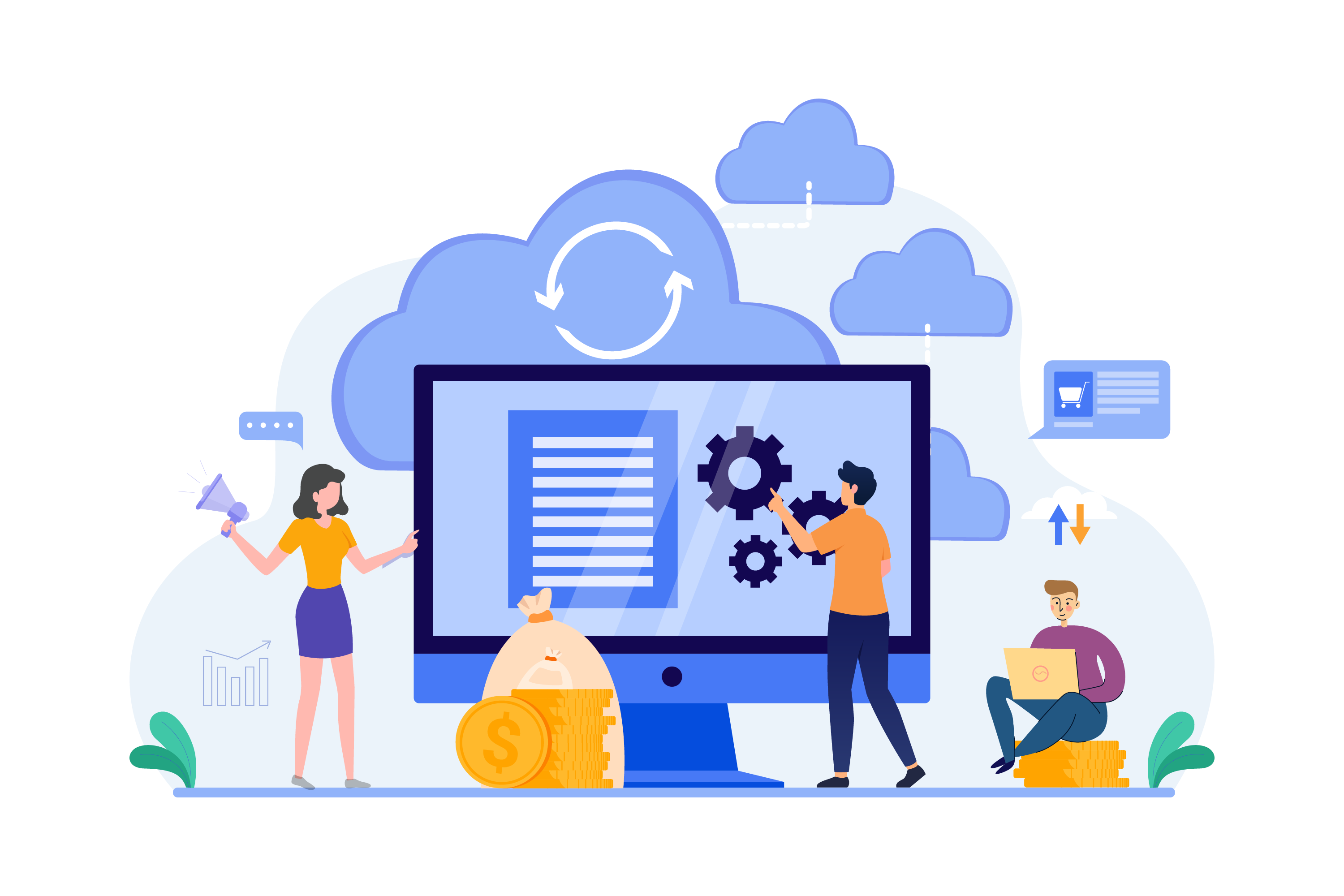


Finding the best cloud POS systems for your business in 2026 has never been more important — and more overwhelming. As small businesses move away from traditional cash registers, cloud based POS systems for small business are becoming the go-to solution for managing sales, inventory, and customer relationships all in one place.
Whether you run a restaurant, retail store, or multi-location business — the right best POS software 2026 can save you time, cut costs, and give you real-time control from any device, anywhere. This guide will help you find the perfect fit for your business needs and budget.
What Is A Cloud-based POS System?
A cloud-based POS system is a point-of-sale solution that runs on remote servers instead of local hardware. Business owners can manage sales, inventory, and reporting without maintaining an on-site server or complex local installation.
For small businesses, switching to a cloud POS is a practical upgrade because it offers:
- Access from any internet-connected device, anywhere
- Automatic, real-time data synchronization across outlets
- No expensive, bulky on-site hardware setup
- Scalable monthly subscription pricing instead of large upfront costs
How a Cloud POS System Works
A cloud POS hosts your business data online rather than on a local hard drive, removing the need for physical infrastructure like on-site servers. If a local device fails or is replaced, your sales and inventory data stay safe and accessible from the cloud, so your restaurant management never grinds to a halt.
Key Advantages Of Switching To Cloud POS:
- Greater uptime: Less prone to hardware-specific crashes since data lives off-site.
- Automatic updates: Security patches and new features roll out instantly, with no manual installs.
- Lower IT costs: No need for dedicated IT staff to manage on-site servers.
- Stronger security: Data is encrypted and backed up on a regular schedule
Why Cloud POS Matters for Business Intelligence
One of the most powerful features of the best cloud POS systems is the ability to access advanced analytics from anywhere in the world.
1. Advanced Analytics and Reporting
A cloud POS gives you visibility into staff productivity, pricing performance, and customer buying patterns. Real-time POS reports let you make decisions during the shift instead of waiting for an end-of-day summary.
2. Enhanced Adaptability
Whether you're opening a second location or testing a pop-up, a cloud POS scales with you without requiring new on-site infrastructure at every outlet. Inventory and sales data stay synced across every store from one dashboard.
3. Easier Software Integrations
Cloud POS systems typically connect with accounting software, marketing tools, and e-commerce platforms with minimal setup, so your sales, stock, and customer data stay in sync without manual entry.
Top Reasons to Choose Cloud POS in 2026:
- Real-time inventory sync across multiple stores
- Reduced upfront capital expenditure (CapEx)
- Improved customer experience with faster checkout
- Remote management from a smartphone or tablet
7 Best Cloud POS Systems for Small Business in 2026
1. POSBytz
Price: Starts at $19 per month.
PosBytz’s cloud-based POS system built around a single centralized catalog, so once your products are uploaded, every outlet, channel, and device draws from the same data. It's aimed at small and multi-outlet restaurants and retailers that need offline billing along with online ordering in one system.
Pros:
- Launch a branded online store at no extra cost
- Omnichannel inventory that stays synced across online and offline sales
- Full offline billing, with automatic sync once connectivity returns
- Support available by email, WhatsApp, and phone
Cons:
- Does not currently include a built-in gift card management module.
2. Toast
Price: Starts at $59 per month.
Toast is built specifically for the service industry, focusing on dynamic inventory tracking at the ingredient level. It’s ideal for restaurants looking for digital receipts and customer feedback tools.
Pros:
- Reasonable offline billing capabilities
Intuitive, restaurant-focused interface
Cons:
- Requires Toast's proprietary hardware and payment processing.
3. LightSpeed
Price: Starts at $139 per month.
Lightspeed is designed for retailers that need precise, high-volume inventory control. It offers dozens of third-party integrations and detailed mobile reporting.
Pros:
- 40+ built-in data visualizations and custom reports
- Fine-grained, SKU-level inventory management
Cons:
- Cannot process card payments while offline.
4. Shopify
Price: Starts at $9 per month (Lite).
Shopify is the leader in e-commerce, and its cloud POS is designed to bridge the gap for physical stores. It offers order tracking for shipments but focuses heavily on its online roots.
Pros:
- Best-in-class e-commerce and online store integration
- Competitive payment processing rates on higher-tier plans
Cons:
- Fees rise sharply with third-party payment processors, and offline payment support is limited.
5. Vend
Price: Starts at $99 per month.
Vend was acquired by Lightspeed and now operates as Lightspeed Retail, a retail-focused entry point into the Lightspeed ecosystem. It's known for a simpler setup than the full Lightspeed platform, with solid multi-location and inventory tools, though new development is now focused on the core Lightspeed product line.
Pros:
- Built-in customer loyalty programs
- Easier, faster setup than the full Lightspeed suite
Cons:
- Feature development has slowed as Lightspeed shifts focus to its core platform, and it lacks any restaurant-specific functionality.
6. Clover
Price: Starts at $9.95 per month.
Clover is an all-in-one solution that integrates sales tracking with accounting and loyalty initiatives. It is widely known for its 24/7 support and merchant-friendly features.
Pros:
- Real-time sales tracking dashboard
Straightforward integration with common accounting apps
Cons:
- Proprietary hardware can carry a high upfront cost.
7. PayPal POS
Price: Starts at $79 per month (Zettle).
Ideal for businesses that sell occasionally or at events. PayPal offers simple invoicing and sales tracking with no long-term obligations, though it can become expensive for high-volume stores.
Pros:
- ✓ Easy to set up with no commitments
- ✓ High level of trust and security
Cons: Transaction rates are higher than competitors.
Essential Features to Look For in a Cloud POS System
When comparing a cloud based POS system for small business, prioritize these capabilities:
- Inventory management: Real-time stock tracking across every location.
- Omnichannel integration: One system for online and in-store sales.
- Customer loyalty: Built-in CRM and reward programs.
- Offline mode: The ability to keep billing customers without an active internet connection.
- Reporting: Customizable, automated sales and inventory reports.
Frequently Asked Questions
Which is the best cloud-based POS system?
The right choice depends on your business type and budget. For most small to mid-sized restaurants and retailers, PosBytz is a strong option because of its combination of affordable pricing, full offline billing, and built-in online ordering tools.
What is the difference between on-premise and cloud POS?
On-premise systems run on local servers and need manual updates and maintenance. Cloud-based systems are hosted on remote servers, so they update automatically and can be accessed from any device with an internet connection.
Can I take payments without the internet?
Yes, with the right system. PosBytz and a few other providers let you continue billing offline and automatically sync transactions once your connection is restored, so a dropped connection doesn't stop sales.
How much does a cloud POS system cost for a small business?
Pricing varies by provider and plan, generally starting anywhere from around $9 to $140 per month per location, depending on the features, number of registers, and integrations you need. Most cloud POS providers charge per outlet or per register, with add-ons for loyalty, online ordering, or advanced reporting.
What features should I prioritize when choosing a cloud POS system?
Focus on real-time inventory tracking, offline billing support, and reporting that covers all your locations from one dashboard. If you sell online as well as in-store, also check how well the system handles omnichannel orders and whether it integrates with your existing e-commerce platform.
From Chaos to Control: The Modern Way Forward
Legacy hardware shouldn't hold your business back. With the right cloud-based infrastructure, your point of sale can become a growth engine rather than a daily bottleneck.
PosBytz offers a cloud POS built to simplify retail and restaurant operations, from billing and inventory to online ordering and reporting, all from one dashboard. Explore PosBytz's cloud POS system to see if it fits your business.
Related Sources
About the author

Saravana Damodaram
Co-Founder & CEO, PosBytz
Saravana Damodaram is the Co-Founder & CEO of PosBytz, a cloud-based POS-ERP platform built for F&B and retail businesses since 2018. He focuses on unified commerce, inventory, and multi-location operations, and has helped over 5,000 merchants across 25+ countries move off fragmented, disconnected tools and run their entire operation, billing, inventory, kitchen, and accounting on one platform.